Walk into the hearing knowing the record cold
Petitions, replies, orders and annexures land as one pile. Justis reads all of it, builds the chronology, flags the limitation point, and tells you which Supreme Court or High Court authority actually governs the question you are arguing. Every citation links to the paragraph it came from.
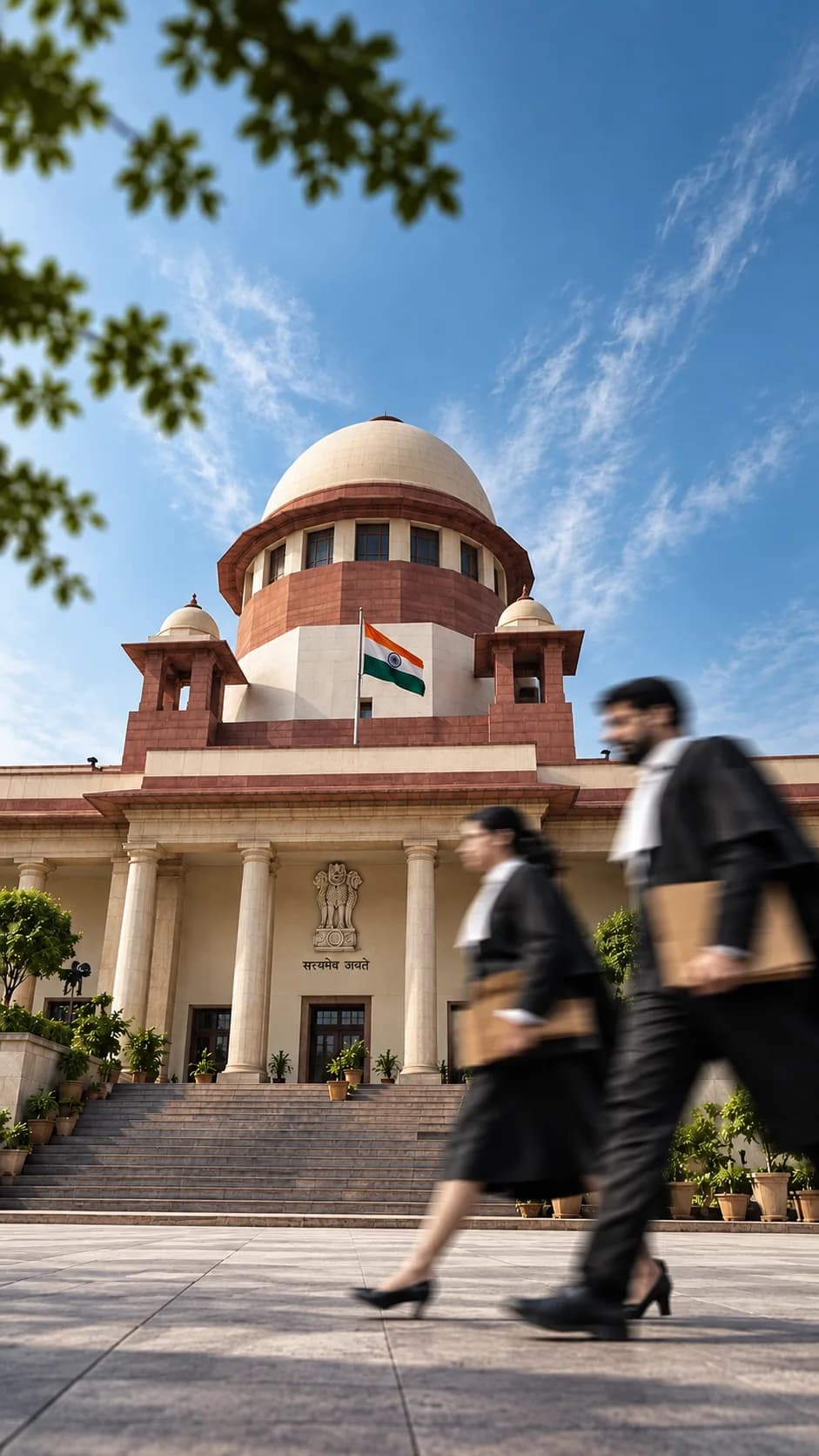
Every date, event and document, mapped
A matter arrives as a petition, three replies and a bundle of annexures. Justis reads all of it and builds the dated chronology, each entry carrying the document it came from, so the sequence you argue from is the record's own rather than a note someone typed on the way to court.
Find the holes before opposing counsel does
Every issue is read from both sides at once and scored: who is actually stronger on it, why, and the page that decides it. The weak points surface while there is still time to plead around them.
Compare testimony and surface the contradictions
Statements, depositions and cross-examination read side by side. Justis puts each witness in a column and every disputed fact in a row, so a contradiction is something you see rather than something you remember.
Upload the case once, ask across it for its whole life
Every document in the matter sits in one project, read and indexed the moment it lands. Ask one question and it is answered for every file at once, and the same holds in eight months when the record has doubled and the junior who uploaded it has moved on.
Legal teams already on the waitlist









“We used to lose the first two days of every matter to reading in. Justis pulls the chronology, flags the limitation issue, and hands back a draft that already sounds like our chambers. Our juniors start from an argument now, not a blank page.”
Common questions
Does it cover High Courts, or only the Supreme Court?
Both. The corpus runs to over 16 million Supreme Court and High Court judgments, reported and unreported, and you can restrict a search to one High Court when the point turns on local practice.
How do I know a citation is real?
Every authority the agent cites links to the paragraph of the judgment it came from, and the quoted words are verified against the source text before they are shown. If the words cannot be found, the citation is flagged rather than presented as checked.
Can it read a scanned or handwritten FIR or order?
Yes. Scanned PDFs are run through OCR, and the agent tells you it is reading a scan so you know transcription errors are possible. Where the handwriting is illegible it says so instead of guessing.
Will it draft in our chambers' style?
Once you train the digital twin on a handful of your own drafts, yes. It learns how you structure a reply, how you cite and how you address the court, and applies that to every new draft. Edits arrive as tracked changes you accept or reject in Word.
Is client material safe to upload?
Documents and chats are encrypted in transit and at rest, access is limited to the people on the matter, and nothing you upload is used to train models shared with anyone else.
What does it cost for a single practitioner?
Every account starts with a 7-day trial of 100 credits. Pro is ₹999 a month with 500 credits of usage, and you pay only the real cost of each research or drafting run against those credits.

Board papers, filings and the company's own contracts, read against the Act before anything is signed.

A data room read end to end, red flags ranked, and the disclosure schedule built from what is actually there.

Every contract, policy and question the business sends, answered from your own positions with the clause behind it.